
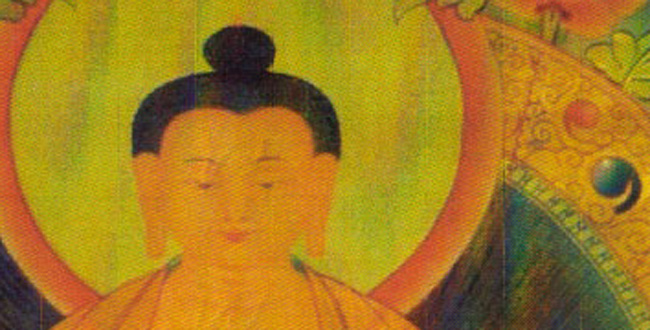
Shakyamuni Buddha
Shakymuni Buddha was born a prince in Lumbini, Nepal, at the foot of Mount Palpa in the Himalayan ranges, in 560 B.C. He died at age 80 in 480 B.C. His father was Suddhodana, king of the Sakhyas. Because his mother, Maya, died seven days after his birth, he was raised by his foster mother, [read more]
Welcome to the website of Khen Rinpoche Nyima Dondrup.
Here you can find all the details regarding Rinpoche's teachings, travel schedule, and the Shakyamuni Buddhist Society in Kathmandu.
Please feel free to leave comments and ask questions and someone will get back to you as soon as possible.
Please come back often as the website is new and there will new things coming soon.
Meanwhile we wish you and all sentient beings peace and prosperity!
You will be inspired!
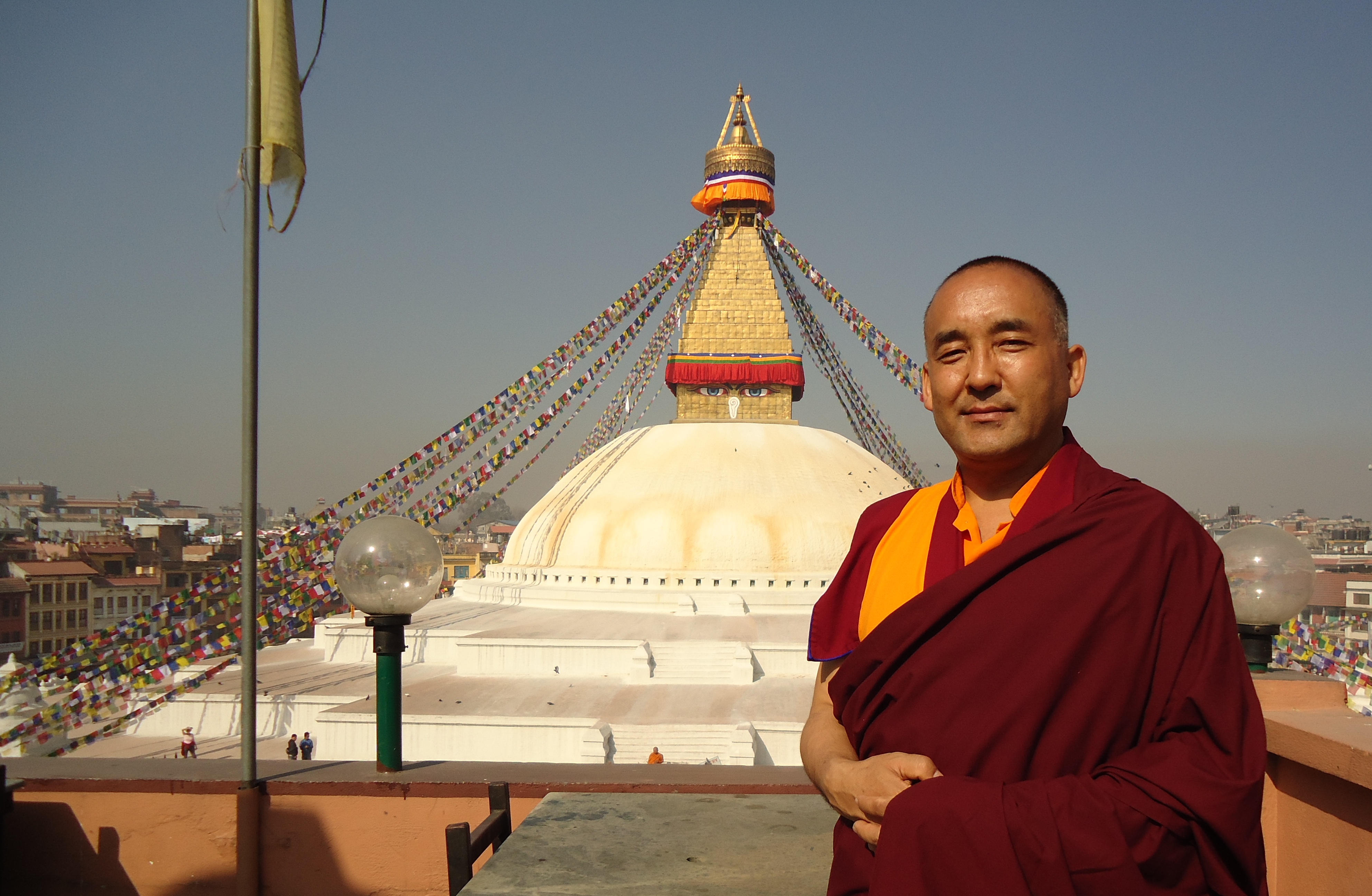
Khen Rinpoche Nyima Dondrup
Khen Rinpoche Nyima Dondrup was born in 1965, in the mountains which are the secret land of Guru Rinpoche called Beyul Yolmo Gangra. At the age of six he left his family to go and live with the great master of meditation Kunzang Yeshe Rinpoche. When he was 16, his master returned to Tibet and […]
School
Shakyamuni Buddhist Society – Kathmandu This society was created by Khen Rinpoche Nyima Dondrup in 2010, to provide teaching of the Buddha-Dharma. It is registered for this purpose in full accordance with Nepalese government regulations. The school is located in Kathmandu, the capital city of the country of Lord Buddha’s birth. It is situated within […]
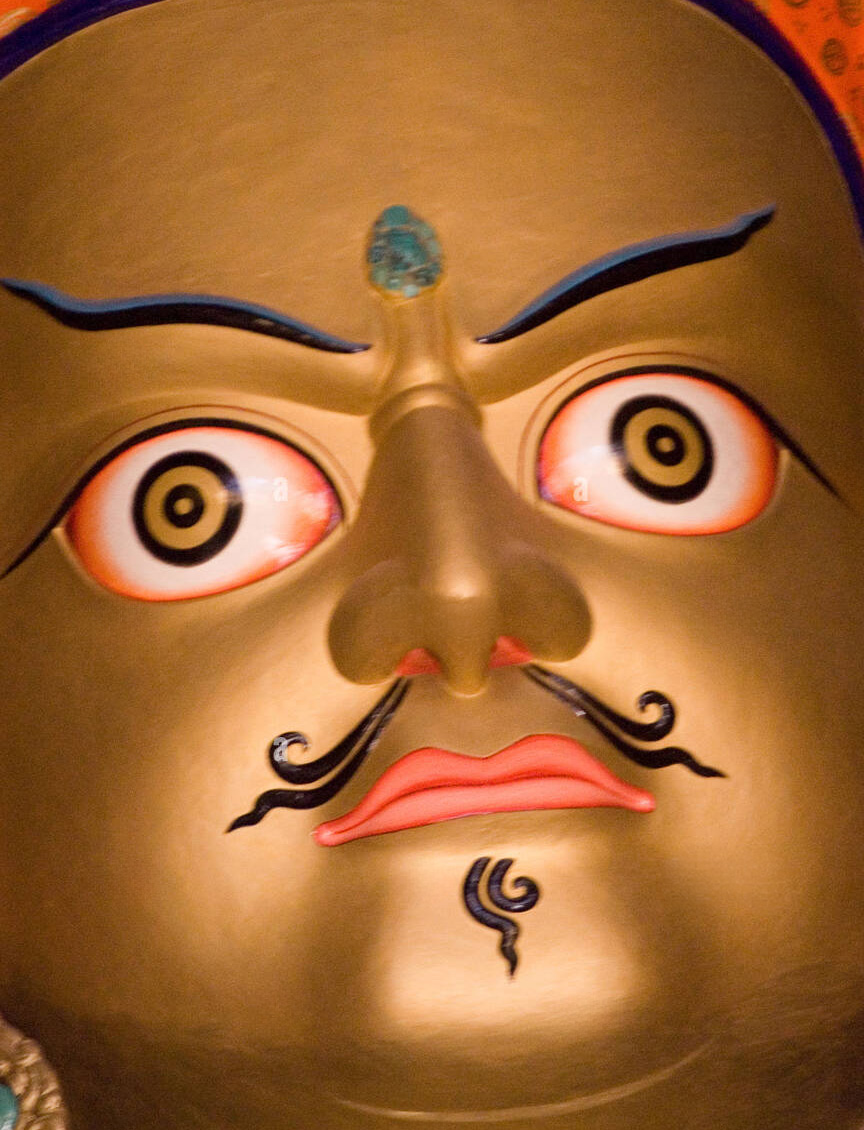
Guru Rinpoche
In the north-western part of the land of Oddiyana, on an island in the lake of Dhanakosha, the blessings of all the buddhas took shape in the form of a multi-coloured lotus flower. Moved by compassion at the suffering of sentient beings, the Buddha Amitabha sent out from his heart a golden vajra, marked with […]
Khen Rinpoche Nyima Dondrup
Khen Rinpoche Nyima Dondrup was born in 1965, in the mountains which are the secret land of Guru Rinpoche called Beyul Yolmo Gangra. At the age of six he left his family to go and live with the great master of meditation Kunzang Yeshe Rinpoche. When he was 16, his master returned to Tibet and he then trained for two more years with Gen Rigdzin Rinpoche.
Rinpoche in front of the Great Stupa
During these years they stayed in retreat in various holy places including the caves used by Guru Rinpoche and Milarepa. Here, the young Rinpoche began his education, first learning to read and write, followed by practicing the visualisations and recitations of the general development stage and then moving on from there.
At that time, he took refuge vows from H. H. Dudjom Rinpoche and also received the Jangter (Northern Treasures) empowerments and transmissions and other teachings from him.
Later, Rinpoche went to Namdroling monastery in South India, where he ordained with H.H.Penor Rinpoche. He completed the nine years study of the Nyingma shedra there with the highest possible grades.
His main teachers were now H. H. Penor Rinpoche and H. H. Taklung Tsetrul Rinpoche.
Under their guidance, he received many initiations, transmissions and instruction from the Kama, ("hearing"), "Terma" (treasure) and the “profound pure vision” lineages, over many years. Particularly, he received instructions on the unique, profound and secret path of the Nyingmapa, Dzogpa Chenpo, the “Great Completeness,” and was able to practice these in the way of “study, analysis and meditation.”
He also received transmissions, empowerments and instructions from H.H. Dalai Lama, H.H. Khenchen Jigme Phuntsok, H.H. Jatral Rinpoche, H.H. Dodrubchen Rinpoche, H.H. Thrulshik Rinpoche, Khenchen Pema Sherab, Dhungse Thrinle Norbu Rinpoche, Domang Yangthang Rinpoche, Tulku Thubzang Rinpoche, Tulku Rigzin Pema Rinpoche and many others.
H.H. Penor Rinpoche enthroned him as a Khenpo at Namdroling with a doctorate in Buddhist philosophy – indicating his ability to properly teach both sutra and tantra and Rinpoche then taught at Namdroling for several years.
During this time he started to travel, and now he has been continuously teaching the Dharma all over the world, including Nepal, the United States, Canada, Europe and the Far East, including Taiwan, Malaysia, Hong Kong, Singapore and Cambodia.
Now, near to the great Jarung Kashor stupa at Boudhanath in Nepal, Rinpoche has founded the Shakyamuni Buddhist Society for the purpose of making Buddhist teachings available to all who are interested, both local and otherwise. Teachings are given in Tibetan, Nepali and English and there is also instruction in learning to read and write Tibetan and English .
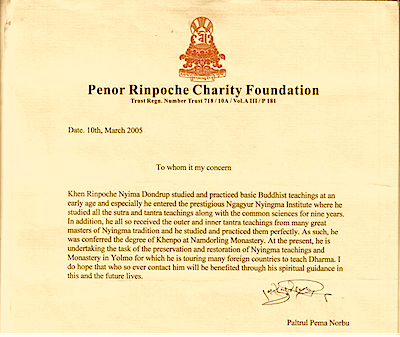
His Holiness Penor Rinpoche
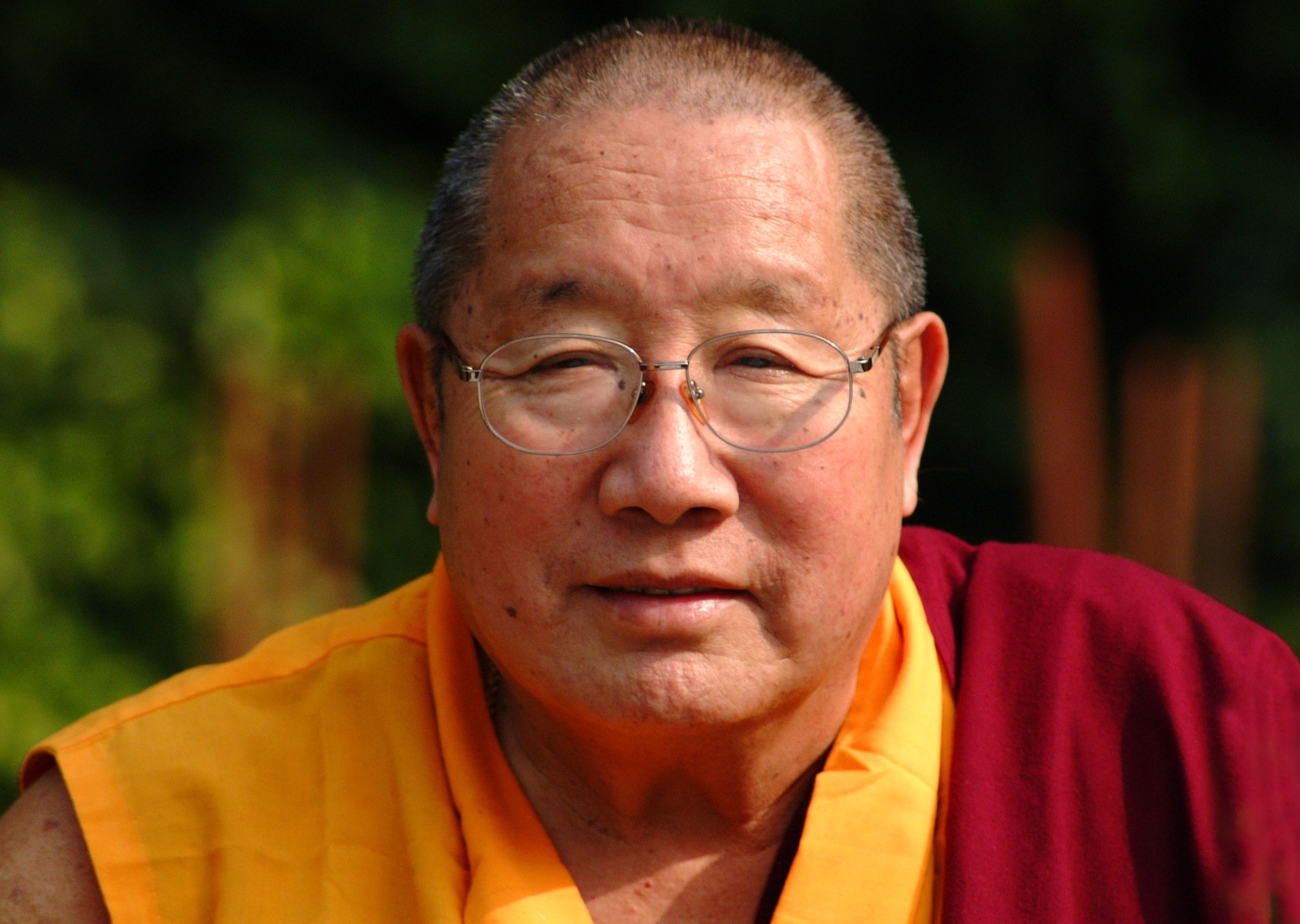
Penor Rinpoche
His Holiness Penor Rinpoche (Wyl. pad nor rin po che) or Kyabjé Drubwang Pema Norbu Rinpoche (1932-2009) was the 11th throne holder of the Palyul Lineage of the Nyingma school of Tibetan Buddhism. He was the supreme head of the Nyingmapa lineage from 1993 to 2001.
H.H. Penor Rinpoche was born in 1932, in the Powo region of Kham, East Tibet. Choktrul Rinpoche was his main master, although he received teachings from many lamas. Beside becoming learned in several subjects including writing, poetry, astrology and medicine, he studied the sutras with different khenpos.
Aged twelve, he received from Choktrul Rinpoche the most important transmissions and empowerments of the Nyingma School, including the great empowerment of the Kagyé and the Rinchen Terdzö empowerments. From Karma Kuchen Rinpoche he received the terma revelations of Ratna Lingpa.
At twenty one he was fully ordained by his master at Tarthang Monastery following the vinaya lineage transmitted to Tibet by Shantarakshita, receiving all the essential instructions and empowerments of the Nyingma tradition.
He also received at that time the cycle of Tendrel Nyesel, Lerab Lingpa’s great terma revelation. He then completed a Vajrakilaya retreat and, having received all the transmissions of the Kangyur and Tengyur, he entered into retreat for four years during which his master gave him all the transmissions of the Palyul tradition, following the secret oral instructions of Tertön Mingyur Dorjé’s Namchö.
Penor Rinpoche successfully completed all the stages of the practice, accomplishing the root recitations of the Three Roots (lama, yidam, and khandro), the Namchö preliminary practices, tummo and tsa-lung, and Dzogchen practices.
He fled Tibet in 1959 and subsequently established Namdroling Monastery which is located in Karnataka State, in Southern India. Namdroling has become the largest Nyingma monastery in the world, where many khenpos, monks and nuns are receiving an education. Khenpo Namdrol, among others, is one of the main senior khenpos teaching at the shedra of Namdroling.
Penor Rinpoche made his first visit to the United States in 1985.
In 1993, he was elected the Supreme Head of the Nyingmapa, succeeding Kyabjé Dilgo Khyentse Rinpoche. In 2001 the title passed to Kyabjé Minling Trichen Rinpoche.
His Holiness Taklung Tsetrul Rinpoche
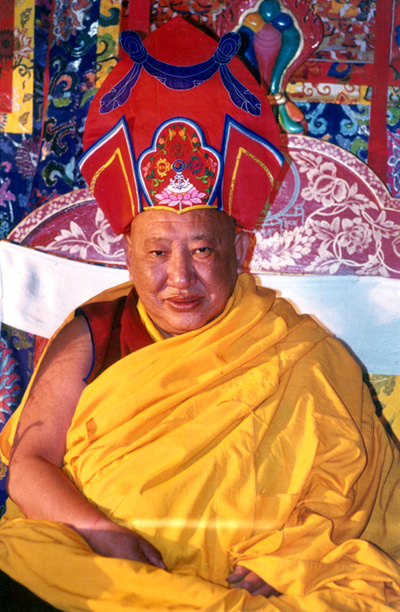
His Holiness Taklung Tsetrul Rinpoche
Taklung Tsetrul Rinpoche was born in the central part of Tibet, near the famous lake called Yardrok where Guru Rinpoche left his handprint, in the Western year 1926. Close to his birthplace, in the region known as Taklung, was the prominent Taklung Tse monastic centre affiliated with Thubten Dorje Drak, the seat of the Northern Treasures (Chang Ter) Nyingma dharma tradition. In the 19th century, the great Khenpo Namkha Longyang from Dorje Drak recognized an ordinary monk from the monastery as the incarnation of Ngok Chöku Dorje. That tulku (Lobpön Kunzang Chöku) continued to study and train as an ordinary monk, and eventually became the vajracharya of the monastery. He devoted his whole life to practice and the attainment of superior realization. It is said that the special protector of Ngok, the glorious goddess Düsolma, pledged her service to him. His reincarnation (Tupten Chökyi Nyima) also moved up through the ranks of the ordinary monks to become the Acharya, but departed for the pure realms at a young age. The ninth Dordrak Rigdzin, Chöwang Nyamnyi Dorje, in accordance with a meditation vision, identified me as the next rebirth.
Rinpoche arrived at Taklung Tse Monastery and received his first ordination when he was five years old, as well as the title and enthronement of a tulku. When he was eight years old he was given a dharma seat at the mother monastery Thubten Dorje Drak.
He studied and became proficient in all of the monastic arts and rituals. From the age of fourteen he studied with a lama named Pawo Rinpoche, who was a student of Khenpo Thubten Gyaltsen, a personal student of the great Dzogchen Khenpo Shenga. When he was fifteen, the elder Khenpo from Gotsa Monastery, who was a personal disciple of the previous Dordrak Rigdzin, gave the empowerments and transmissions of the Jangter lineage to the current, great Dordrak Rigdzin, Namdrol Gyatso. At that time he received most of these empowerments and transmissions, as well as other Dzogchen instructions.
When he was twenty he received the complete empowerments and transmissions of the Rinchen Terdzö and others from the previous Shechen Rabjam Rinpoche. From the retreat master at Mindroling and from the previous Lalung Sungtrul Rinpoche, he received most empowerments and transmissions for the treasures of Padma Lingpa, and from Golok Chewo Rinpoche he received all the transmissions for the Seven Treasures and other teachings of the omniscient Longchen Rabjam.
At Dorje Drak he received all of the empowerments and transmissions for the higher and lower Jangter treasure teachings, as well as Kama (oral) teachings, and instructions on the nature of mind. He became the khenpo of Dodrak Monastery for several years, and then was requested to return to Taklung Monastery.
On the occasion of the 2500th anniversary of the Buddha’s parinirvana he went on pilgrimage to India with his family. Circumstances worsened from year to year in Tibet until it became impossible to remain there; and so, in 1959, Taklung Rinpoche and some companions ran away at night, leaving their homeland, until they reached India and then Sikkim, where he stayed for two years.
At Rumtek Monastery he received the empowerments and transmissions of the Treasury of Oral Instructions and Kagyu Mantra Treasury from the great 16th Holiness Gyalwa Karmapa. In Kalimpong he received the entire empowerments and transmissions of the Great Terma Treasury and the Nyingma Kama, as well as some of the dharma treasures of Dudjom Lingpa, from Kyabje Dudjom Rinpoche. In Bhutan, from Dilgo Khyentse Rinpoche he received transmissions for the collected teachings of Mipham Rinpoche, and empowerments and transmissions for the Heart Essence of Longchenpa, and other Dzogchen practices and tantras.
He later went to a new Tibetan refugee settlement in Simla, India, where in the years that followed he worked with the community, local and state government officials, and the office of His Holiness the Dalai Lama to found a new Dorje Drak Monastic seat in exile, to preserve, foster and expand the teachings of the Jangter lineage, since Thubten Dorje Drak Monastery in Tibet had been completely destroyed. Today there are almost 80 monks there, and several in retreat.
He has offered the Jangter, and other dharma empowerments and transmissions at the direction of prominent lamas of different lineages at various monasteries in Bhutan, India and Nepal, including Namkhai Nyingpo Rinpoche in Bhutan, Kyabje Penor Rinpoche in Mysore, and Dilgo Khyentse Rinpoche at Shechen Monastery in Nepal.
Shakyamuni Buddha
Shakymuni Buddha was born a prince in Lumbini, Nepal, at the foot of Mount Palpa in the Himalayan ranges, in 560 B.C. He died at age 80 in 480 B.C. His father was Suddhodana, king of the Sakhyas. Because his mother, Maya, died seven days after his birth, he was raised by his foster mother, Maya’s sister Mahaprajapati.
Siddhartha means “one who has accomplished his aim.” Gautama was Siddhartha’s family name. He was also known as Sakhya Muni, meaning an ascetic of the Sakhya tribe.
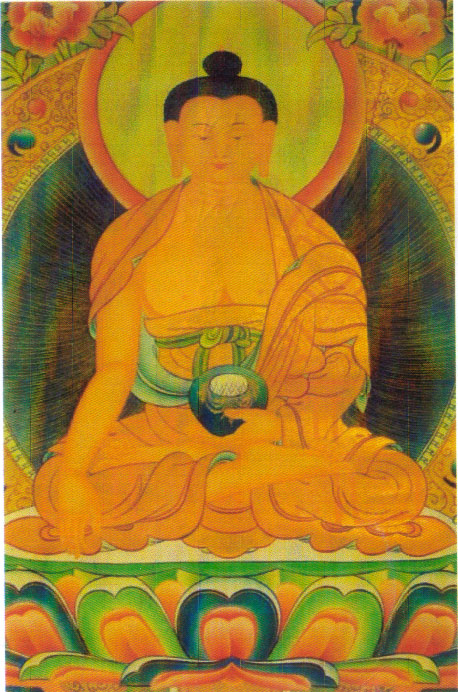
Shakyamuni Buddha
Upon his birth, astrologers predicted that upon achieving manhood, Siddhartha would become either a universal monarch (Chakravarti), or would abandon all earthly comforts to become a monk and a Buddha, a perfectly enlightened soul who would then assist all mankind to achieve enlightenment. His father, who desired his son to become a universal monarch, asked the astrologers what his son would see that might cause him to retire from the world. They replied: “A decrepit old man, a diseased man, a dead man and a monk.”
Doing his best to prevent his son from becoming a monk, Suddhodana raised him in luxury and indulgence and sought to keep him attached to sensual pleasure.
Guards were posted to assure that Siddhartha did not make contact with the four men described by the astrologers. He placed his son in a magnificent walled estate with gardens, fountains, palaces, music, dancing and beautiful women. Siddhartha married Yasodhara at age sixteen, who subsequently gave birth to their son, Rahula. Throughout these early years of his life, he knew nothing of the sufferings that were taking place outside his enclosure.
Then one day, desiring to see how the people in his town were living, he managed to get out of his walled enclosure accompanied by his servant, Channa. He came upon a decrepit old man, a sick man, and a corpse and he was shocked! Seeing their mortality, he realized that he also would one day become prey to old age, disease and death. He then met a monk who impressed him with his serenity and beauty. It was at this time that Siddhartha decided to renounce the material world with its luxuries and comforts, as well as suffering and pain, and take up a monastic life, realizing that “Worldly happiness is transitory.”
Siddhartha left his home forever, donning yellow robes and shaving his head, to take up Yogic practices. Seeking instruction from several hermit teachers who lived in caves in the neighboring hills, he practiced severe Tapas (austerities) and Pranayama (breath control) for six years, during which time he almost starved to death and became exceedingly weak. He finally realized that starvation did not serve his aims, as it would lead to the very conditions he was trying to surmount. At this point he decided to give up the extreme life he had been living, eat food in moderation, and take to the “middle path.”
Given food by a young woman, he sought a comfortable place to sit and eat it. He found a large tree, now known as the great Bo-tree, or Tree of Wisdom. Upon consuming the physical food, he realized that he was starved for spiritual nourishment. Going deep into meditation, he contemplated his journey with its temptations and desires but did not yield to them. The legends tell us that he came out of the meditation victorious, his face shining with illumination and splendor, having attained Nirvana. (Nirvana is the completion of the path of Buddhism in which the person has achieved self-enlightenment and all delusion and anguish are permanently ended). He got up and danced in divine ecstasy for seven days and nights around the sacred Bo-tree, after which he returned to a normal state of consciousness filled with incredible compassion for all. He had an overwhelming desire to share his illumination with humanity.
Thus at age 35, Siddhartha was a Boddhisatva (one who has achieved enlightenment but chooses to remain in this world who help those who are suffering). He expressed the experience of his Samadhi (state of consciousness in which Absoluteness is experienced attended with all-knowledge and joy; Oneness): “I thus behold my mind released from the defilement of sensual pleasures, released from the defilement of heresy, released from the defilement of ignorance.”
“The Buddha” (enlightened one) left his wondrous Bo-tree behind, venturing out into the world to teach others who were seeking Wisdom and Enlightenment. The subsequent teachings of The Buddha are the foundation of Buddhism.
Guru Rinpoche
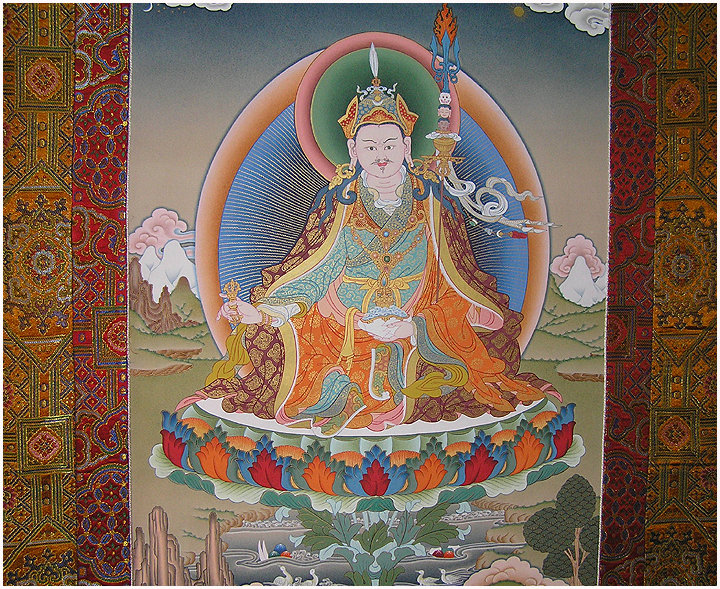
Guru Rinpoche
In the north-western part of the land of Oddiyana, on an island in the lake of Dhanakosha, the blessings of all the buddhas took shape in the form of a multi-coloured lotus flower. Moved by compassion at the suffering of sentient beings, the Buddha Amitabha sent out from his heart a golden vajra, marked with the syllable HRIH, which descended onto the lotus blossom. It transformed into an exquisitely beautiful eight year old child, endowed with all the major and minor marks of perfection, and holding a vajra and a lotus. At that moment all the buddhas of the ten directions, together with hundreds of thousands of dakinis from different celestial realms, invoked the blessings and the incarnation of all the buddhas for the benefit of beings and the flourishing of the secret mantra teachings. Their invocation is known as ‘The Seven Verses of the Vajra’, or ‘The Seven line Prayer.”
Rinpoche Singing the 7 Line Prayer
In Tibet
Now, the thirty seventh king of Tibet, Trisong Detsen, had invited the great pandita Shantarakshita, also known as Khenpo Bodhisattva, to establish Buddhism in his country. The author of the famous Ornament of the Middle Way (Skt. Madhyamakalamkara) and Compendium on Reality (Skt. Tattvasamgraha), Shantarakshita began teaching in Tibet, and laid the foundations for Samyé monastery. This provoked the local spirits, who embarked on a campaign of disasters—disease, floods, storms, hail, famine and drought—and whatever construction work was done at Samyé during the day was dismantled at night. Shantarakshita urged the king to invite Guru Rinpoche, and he despatched envoys under the leadership of Nanam Dorje Dudjom. With his prescience, Guru Rinpoche knew already of their mission, and had gone to meet them at Mangyul, between Nepal and Tibet. According to Kyabjé Dudjom Rinpoche, it was in the Iron Tiger year (810) that Padmasambhava came to Tibet. It is said that he was then over a thousand years old. On the way to central Tibet, he began to subjugate the local spirits and made them take oaths to protect the Dharma and its followers. He met the king at the Tamarisk Forest at Red Rock, and then went to the top of Mount Hépori and brought all the ‘gods and demons’ of Tibet under his command.
Glorious Samyé—the Inconceivable—the unchanging, spontaneously accomplished temple’ was then built without any hindrance, completed within five years, and consecrated, amidst miraculous and auspicious signs, by Guru Rinpoche and Shantarakshita.
There then began a vast undertaking, an extraordinary wave of spiritual activity in Tibet. Vimalamitra and other great
scholars and masters, one hundred and eight in all, were invited; Guru Rinpoche, Shantarakshita and Vimalamitra gave teachings, and then worked with Tibetan translators, such as Vairotsana, Kawa Paltsek, Chokro Lüi Gyaltsen and Shyang Yeshé Dé, to translate the sutras, tantras and treatises into Tibetan; the first seven Tibetan monks were ordained into the Sarvastivadin lineage, and this was the time when the two sanghas, the monastic celibate sangha of monks and nuns and the community of lay tantric practitioners, came into being in Tibet; and Vairotsana and Namkhé Nyingpo were despatched to India to receive teachings, on Dzogchen from Shri Singha, and on Yangdak from Hungkara, respectively.
At King Trisong Detsen’s request, Guru Rinpoche opened the mandala of the vajrayana teachings in the caves of Chimphu above Samyé to the twenty-five disciples, headed by the King Trisong Detsen, Yeshé Tsogyal and Vairotsana; nine of the twenty-five attained siddhis through practising the sadhanas he transmitted to them. It is said that he convened them in three great gatherings, to teach the Kagyé Deshek Düpa, the Lama Gongdü, and the Kadü Chökyi Gyatso.
Guru Rinpoche and his closest disciple Yeshé Tsogyal travelled all over Tibet and the Himalayas, and blessed and consecrated the entire land, especially: “the twenty snow mountains of Ngari, the twenty-one sadhana places of Ü and Tsang, the twenty-five great pilgrimage places of Dokham, the three hidden lands, five ravines, three valleys and one region.”
Guru Rinpoche made many prophecies about the future, and together with Yeshé Tsogyal concealed countless terma teachings, in order to: prevent the destruction of the teachings of the secret mantrayana; avoid corruption of the vajrayana or its alteration by intellectuals; preserve the blessing; and benefit future followers. For each of these terma treasures, he predicted the time for its revelation, the identity of the revealer, and those who would receive and hold the teachings. At thirteen different places called Tiger’s Lair, Taktsang, Guru Rinpoche manifested in “the terrifying wrathful form of crazy wisdom”, binding worldly spirits under oath to protect the terma treasures and serve the Dharma. Then he was named Dorje Drolö, ‘Wild Wrathful Vajra’.
At Shyotö Tidrö in the Drikhung Valley, the great Guru transmitted the teachings of Dzogpachenpo, the Innermost, Unsurpassed Cycle of the Category of Pith Instructions, and the Khandro Nyingtik, to a single human disciple, Yeshé Tsogyal, and a hundred thousand wisdom dakinis. Later, at Chimphu, when Trisong Detsen’s daughter, the princess Pema Sel, died at the age of eight, Guru Rinpoche drew a red syllable NRI on her heart, summoned her consciousness, restored her to life and gave her the transmission of the Nyingtik teachings, soon after which she passed away. Yeshé Tsogyal concealed the teachings as terma, and centuries later, Pema Sel’s incarnation, the master Pema Ledreltsal, revealed the Khandro Nyingtik cycle. His next rebirth was as the omniscient Longchen Rabjam.
After the death of Trisong Detsen, Guru Rinpoche stayed on in Tibet into the reign of his successors. But he knew that the rakshasa cannibal demons, inhabiting the south-western continent of Chamara—Ngayab—were set to invade and destroy India, Nepal and Tibet, and if not subdued, they would sweep the earth and destroy all human life. So, after fifty five and a half years in Tibet, in the Wood Monkey year (864), Guru Rinpoche prepared to leave, and went, accompanied by the young king Mutik Tsepo and a large gathering of disciples, to the pass of Gungthang in Mangyul. They implored him to stay, but he refused. He gave final teachings and instructions to each of them, and then, on the tenth day of the monkey month, left for the land of Ngayab Ling in the southwest, and for his manifested pure land on Zangdokpalri, the Copper Coloured Mountain of Glory.
The many accounts of his life vie in their beauty when they come to describe his departure. The Zanglingma biography says that after giving his final instructions, “Padmasambhava mounted a beam of sunlight and in the flicker of a moment soared away into the open sky. From the direction of the south west, he turned his face to look back, and sent forth a light ray of immeasurable loving kindness that established the disciples in the state of non-return. Accompanied by a cloud-like throng of dakinis, outer and inner, and amid the sound of the music they were offering, he went to the south-western continent of Ngayab.” But different people had different perceptions of his departure. Some saw him leaving in swirling clouds of coloured light, mounted on a divine horse; others saw him riding a lion. In some accounts, the twenty-five disciples in their meditation watched him receding in the sun’s rays, first the size of a raven, then a dove, a sparrow, a bee, and finally a tiny speck that disappeared from sight. They saw him alighting in the land of the rakshasas and teaching them the Dharma.
On the peak of the Copper Coloured Mountain, Guru Rinpoche liberated the king of the rakshasas, Raksha Thötreng, and assumed his form. Now he dwells in Zangdokpalri as a ‘vidyadhara of spontaneous presence’, the fourth vidyadhara level: “There,” writes Kyabjé Dudjom Rinpoche, “he manifested the inconceivable Palace of Lotus Light, and there he presides as king, with one of his emanations in each of the eight continents of the rakshasas, giving teachings like the Eight Great Methods of Attainment of the Kagyé, and protecting the people of this world of Jambudvipa from fears for their life. Even to this day, he reigns as the regent of Vajradhara, the ‘vidyadhara with spontaneous accomplishment of the ultimate path’; and thus he will remain, without ever moving, until the end of the universe.”
School
Shakyamuni Buddhist Society – Kathmandu
This society was created by Khen Rinpoche Nyima Dondrup in 2010, to provide teaching of the Buddha-Dharma. It is registered for this purpose in full accordance with Nepalese government regulations.
The school is located in Kathmandu, the capital city of the country of Lord Buddha’s birth. It is situated within a few minutes walk from the great Jarung Khashor stupa of Boudhanath, merely seeing which is a source of blessing. It is intended that other branches of the school will also be established in other areas of Nepal.
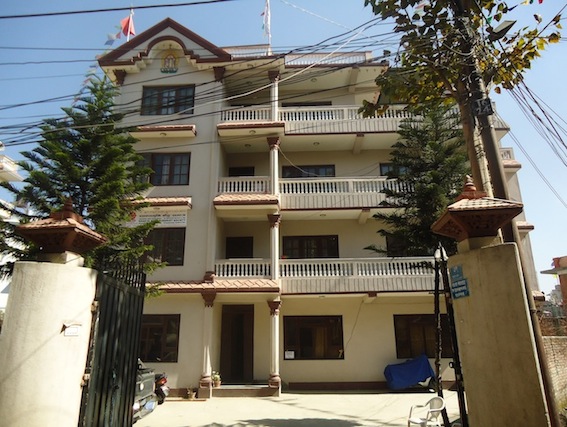
The School
As for the purpose of the school: as the Buddha himself said,
“Abandon all negative actions,
Instead, practice completely virtuous actions
And gain control over your own mind.
This is the teaching of the Buddha.”
The teaching given will be focussed on the practical application of this, the heart of the Buddha’s teaching. This comprises the methods enabling the abandonment of negative actions, the accomplishment of those actions which benefit us, rather than harm us, and the taming of our disturbing states of mind.
Since these methods must be learned through the triple practice of learning, analysing and meditating, we must first rely on the study of the teaching to provide a basis.
In this time of degeneration, because of the power of negative karma, many external difficulties, such as earthquakes, floods, forest fires, hurricanes, epidemics, wars and the like are increasing. The Buddha’s precious teaching, which is the path of non-violence, is a source of both temporary and ultimate benefit for the entire world. Our aim is to prevent it from disappearing, and to cause it to increase and develop. Our intention is also that all sentient beings, who have all been our previous mothers in our endless cycle of rebirths, may become able to find the inner peace and experience the joy and happiness which this precious teaching can provide.
The teachings are available to all, without any discrimination on the basis of nationality, community, age, gender and so on. Each person, man or woman, lay or ordained, who wishes to study and practice the profound Dharma is welcome in our school. The teachings will be given in Tibetan, Nepali, English and so on; to facilitate this, classes in reading and writing Tibetan and in Tibetan grammar, will also be given, as well as English language classes.
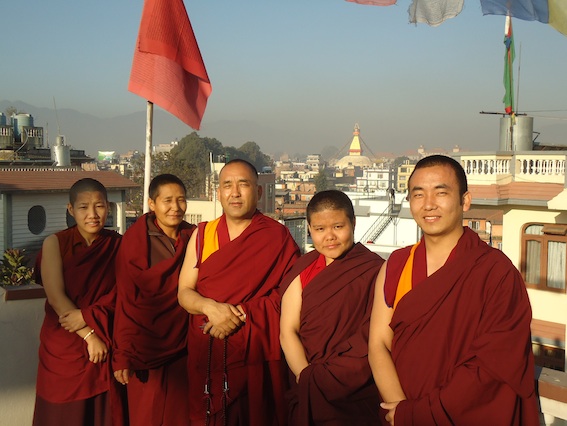
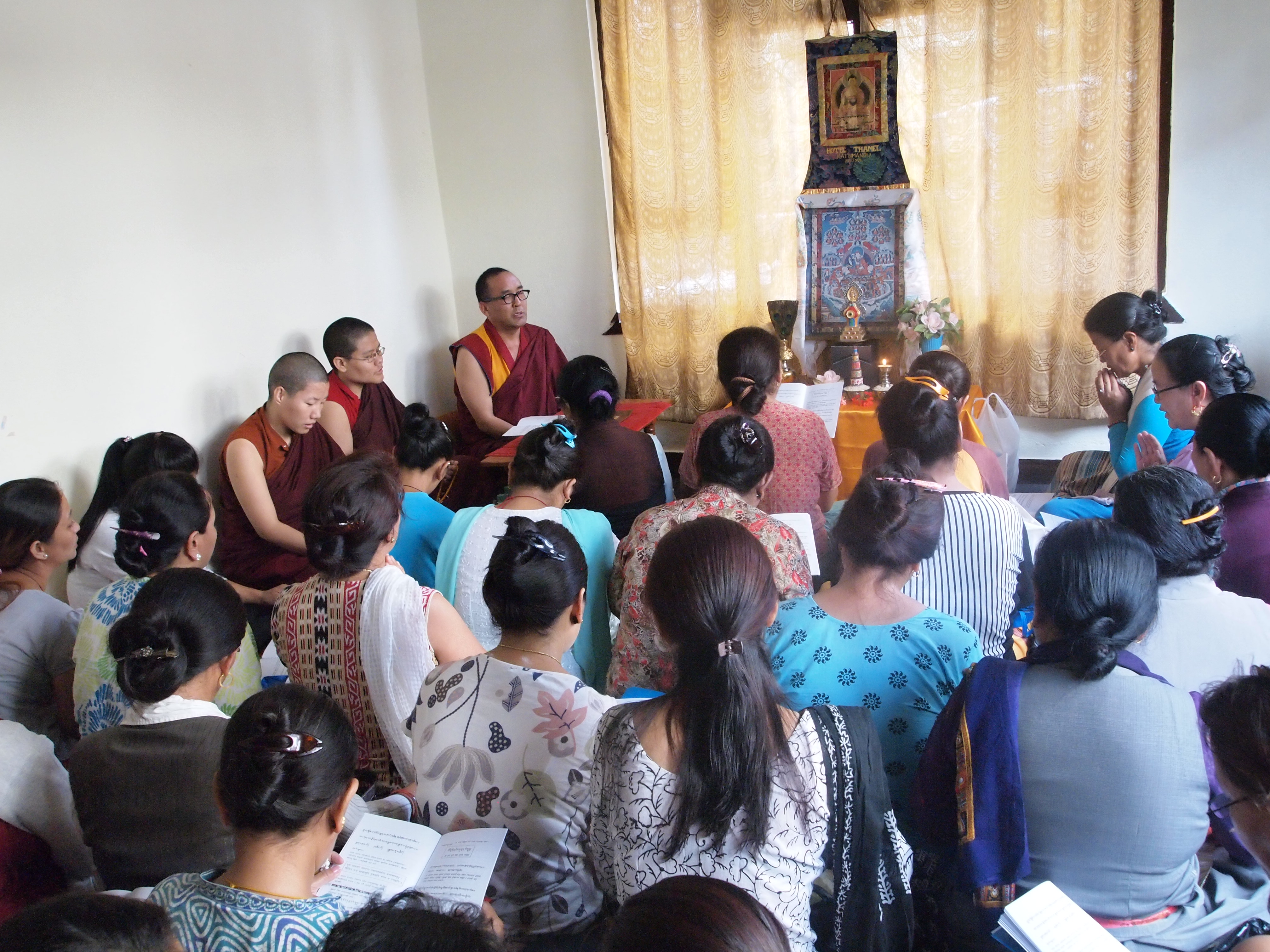
Our teachers are qualified and experienced Khenpos and Lopons – and are both monks and nuns, which we hope will make learning easier for both the male and female students.
Rinpoche with the Lopons
There are no fixed fees for those who are interested in studying the Dharma in our school, yet offering of donations towards the maintenance of the school is welcome.
There are many on-going expenses which must be regularly met, such as the rent of the premises, the accommodation, food and salaries of the staff, provision of water, electricity and so on.
Khenpo is also planning to build a retreat centre in Beyul Yolmo Gangra which is the hidden holy place of Guru Rinpoche and holds Milarepa’s cave.
Sponsoring the school:
We would like to request those who have the capacity to utilise dream-like wealth and who have the power of faith and generosity, to support this school as Dharma friends and sponsors; our organisation will be dependent on donations for the running of the school.
We will be happy to make prayers in the name of all those who support us. In the regular morning and evening prayers and on the special days such as the full moon, and the tenth day, we will dedicate merit and offer wishing prayers for those who have left this life. We will also do this for others who are facing difficulties, or are troubled in body or mind by sickness, so that their obstacles may be removed and not only that, that their lifespan, merit, wealth and material resources shall increase and all their wishes be quickly fulfilled. To this end, we will perform the rituals as extensively as possible.
School Built
Great news! As you can see below the school has been built and is no longer a building site. We look forward to seeing you!
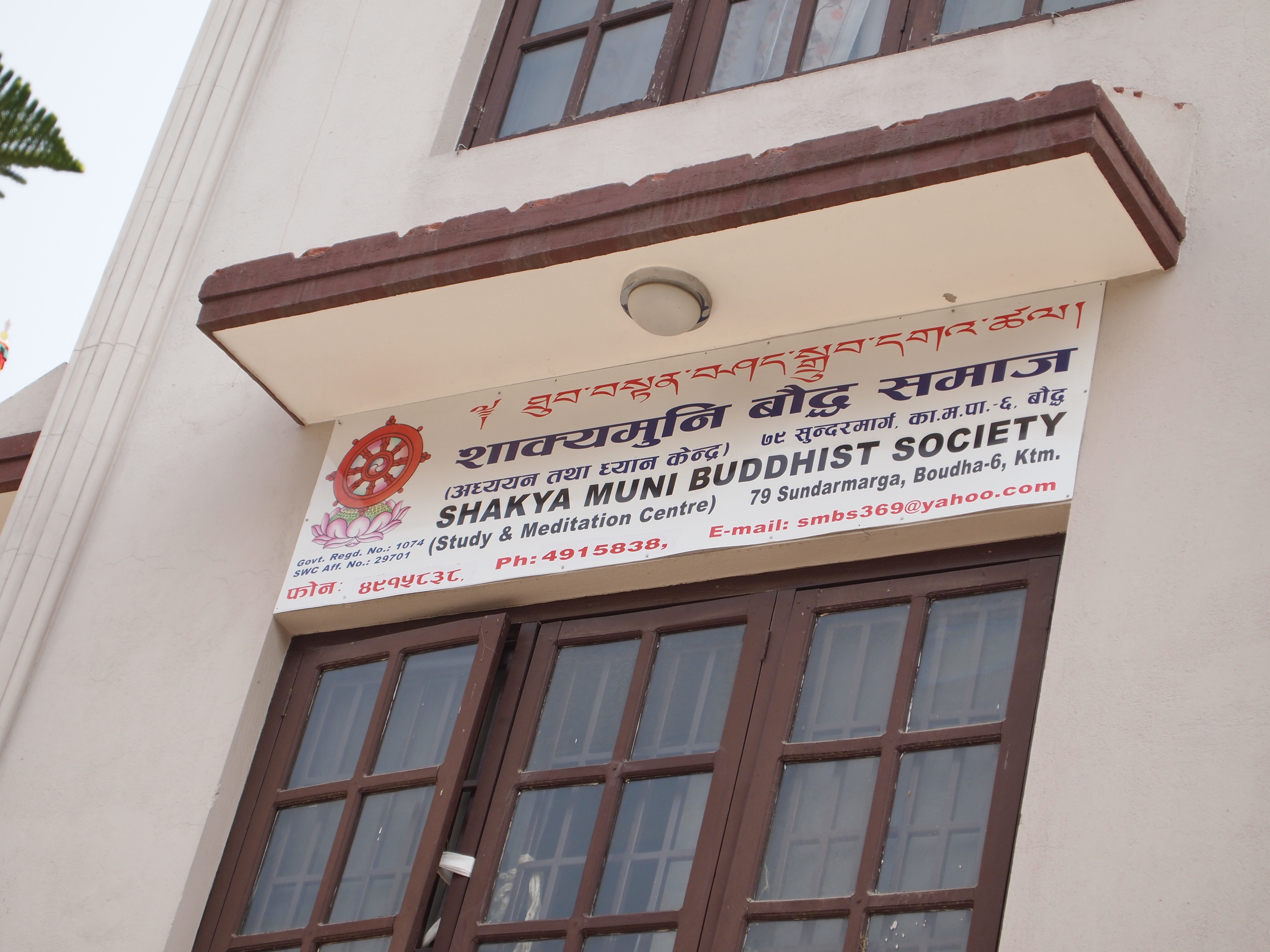
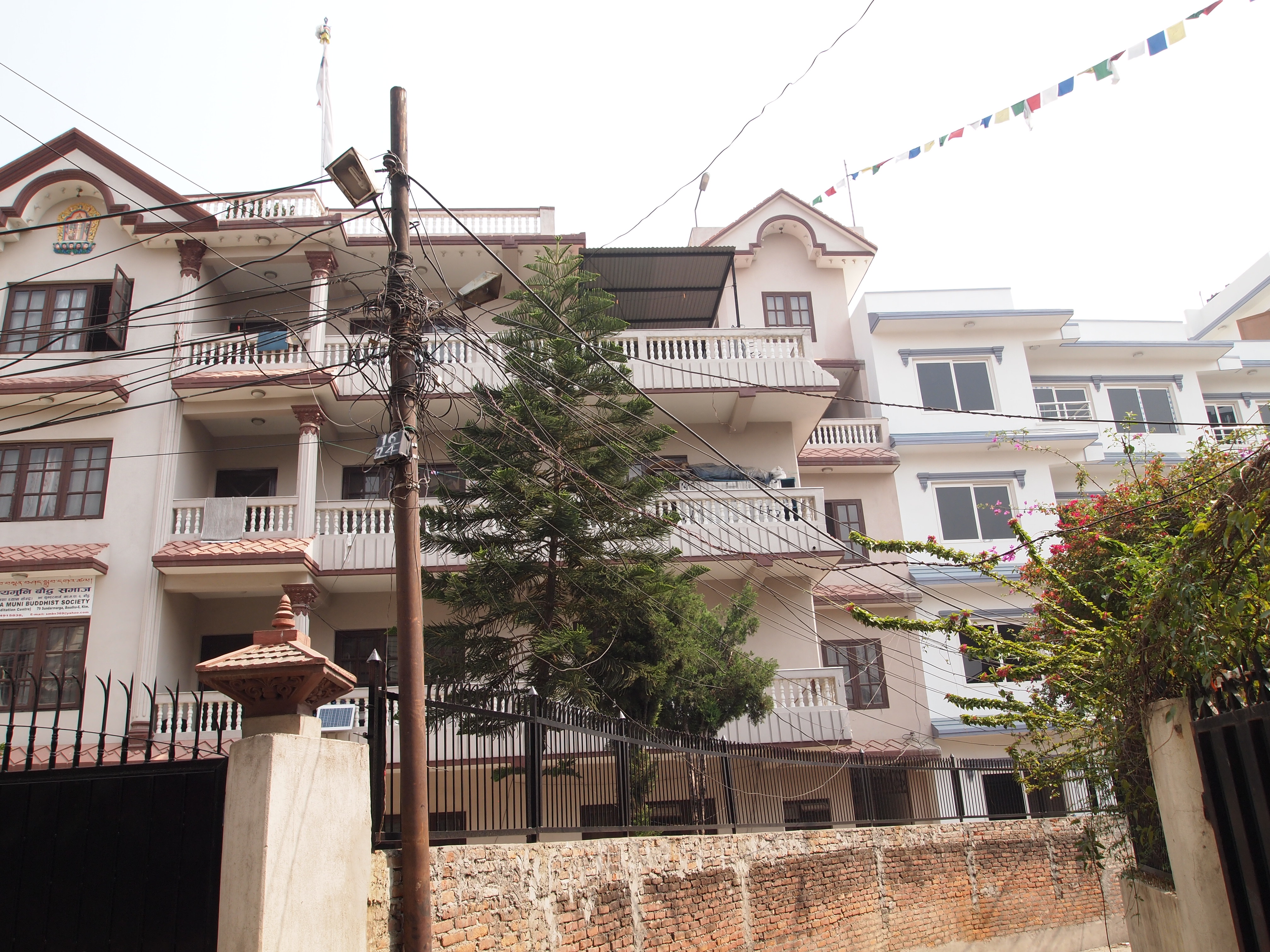
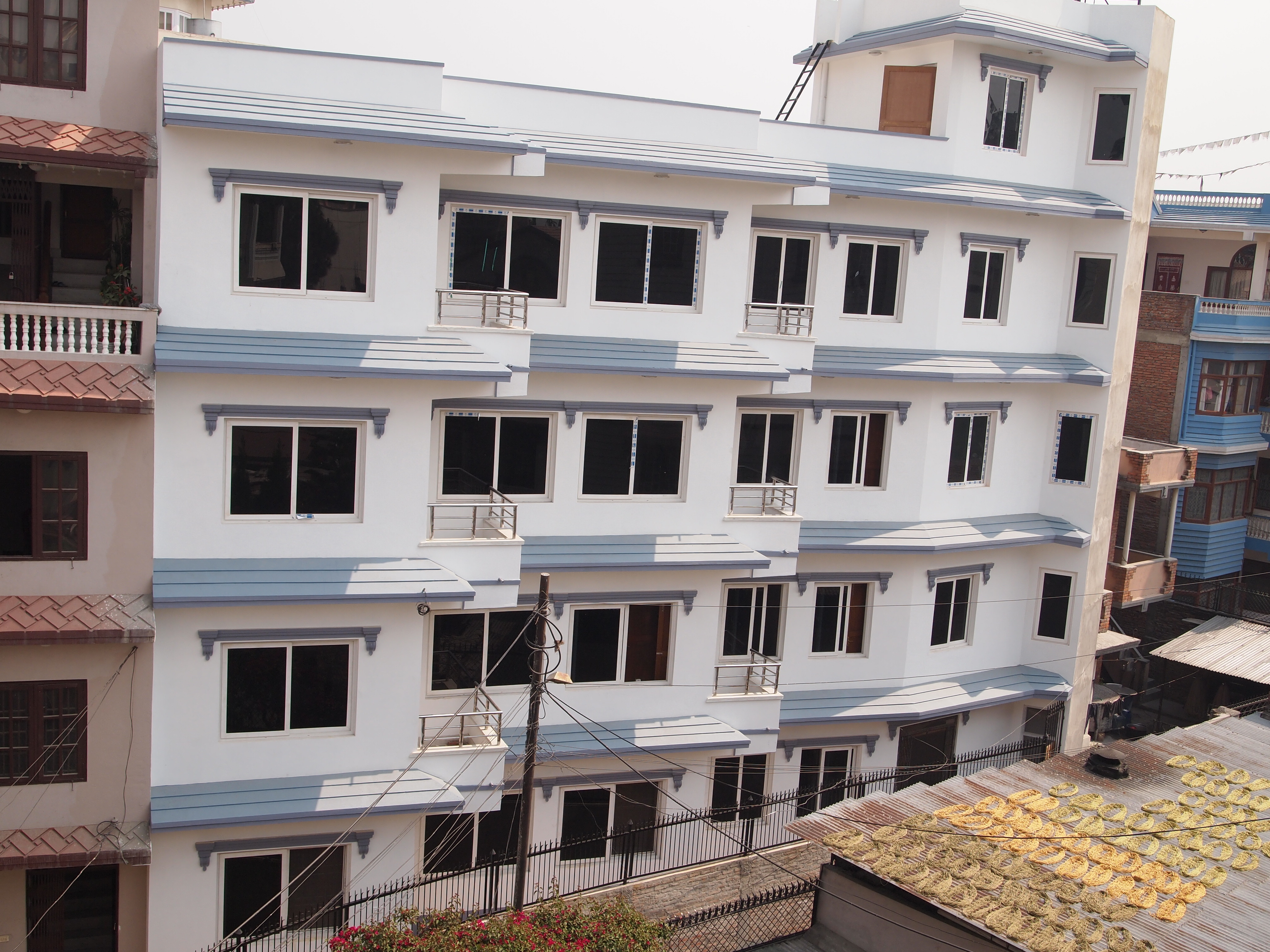
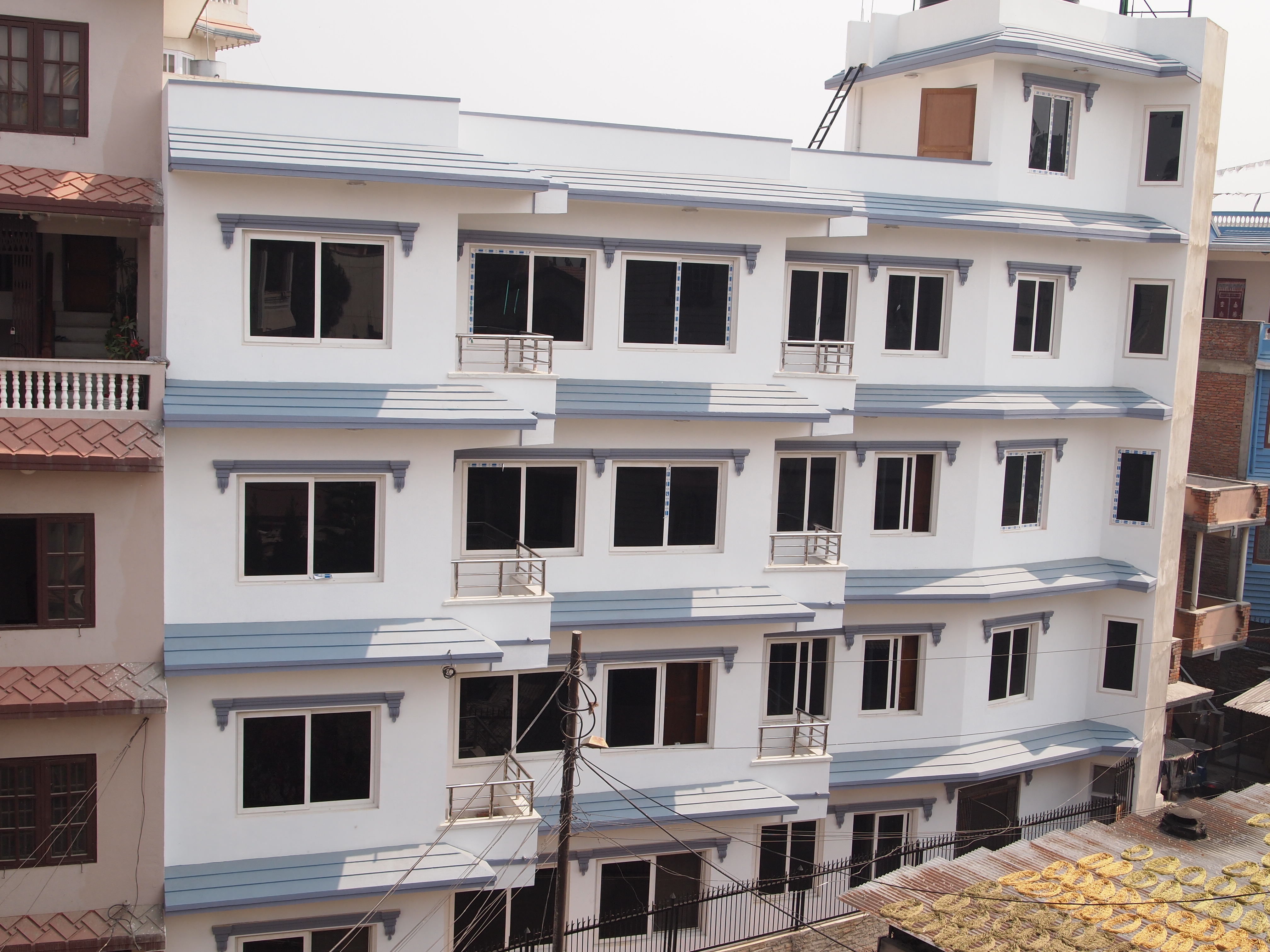
You can see that the school is nearly finshed
Gallery
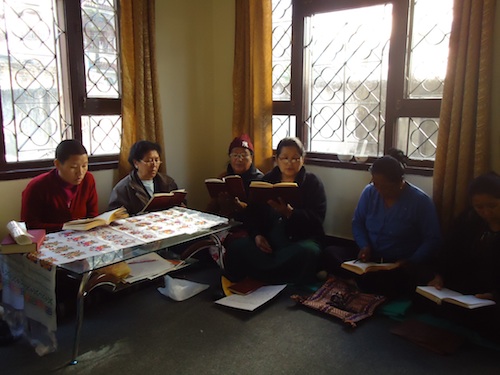
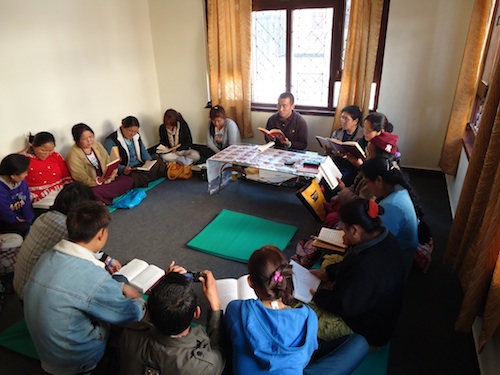
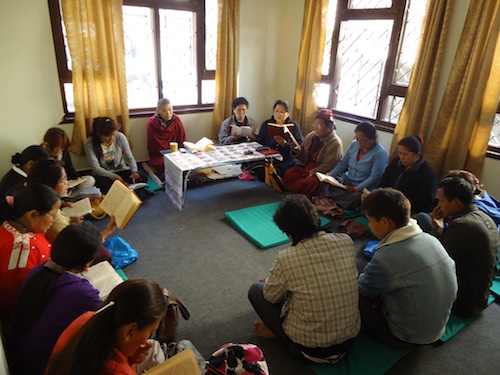
Online Resources
Rinpoche Singing the 7 Line Prayer
Contact
If you are interested in contacting Khenpo Nyima Dondrup you may contact him here:
Email: khennyima@hotmail.com
Phone: (+977) 9849309972